How long a garment is used matters when considering its impact per wear. Wearing it for longer does not erase the emissions from making it; the benefit depends on how it is used and whether it replaces another purchase.
That is the idea this piece looks at: what the research says about keeping, washing and buying clothes, and where the context changes the answer.
Two measures: the total and the share per wear
It helps to keep two numbers apart.
- The garment’s total footprint — everything it takes to grow or make the fibre, spin, dye and sew it, and later to wash and dispose of it. Most of this is spent before the garment reaches you. In a published study of cotton shirts made in China, cotton farming and industrial processing made up more than 90% of the total.
- The footprint per wear — that total divided by the number of times the garment is worn.
Wearing a shirt more often does not change the first number. It changes the second. A shirt worn a hundred times carries a hundredth of its production footprint into each wear; worn ten times, a tenth. The saving only becomes a real one if the extra wear means another garment is not bought.
What the research found
WRAP, the UK resources charity, estimated that keeping clothes in active use for nine months longer would reduce their carbon, water and waste footprints by around 20 to 30% each — an estimate for all the clothing in use in the UK, not for a single garment.
Across the world, the Ellen MacArthur Foundation found that the number of times a garment is worn before it stops being used fell by 36% over fifteen years.
Looking after what you have
For a garment already in use, washing and drying are where the day-to-day energy goes.
- Wash when it needs it. Plenty of clothes can be aired and worn again.
- Wash cooler. Heating the water is where much of a washing machine’s energy goes.
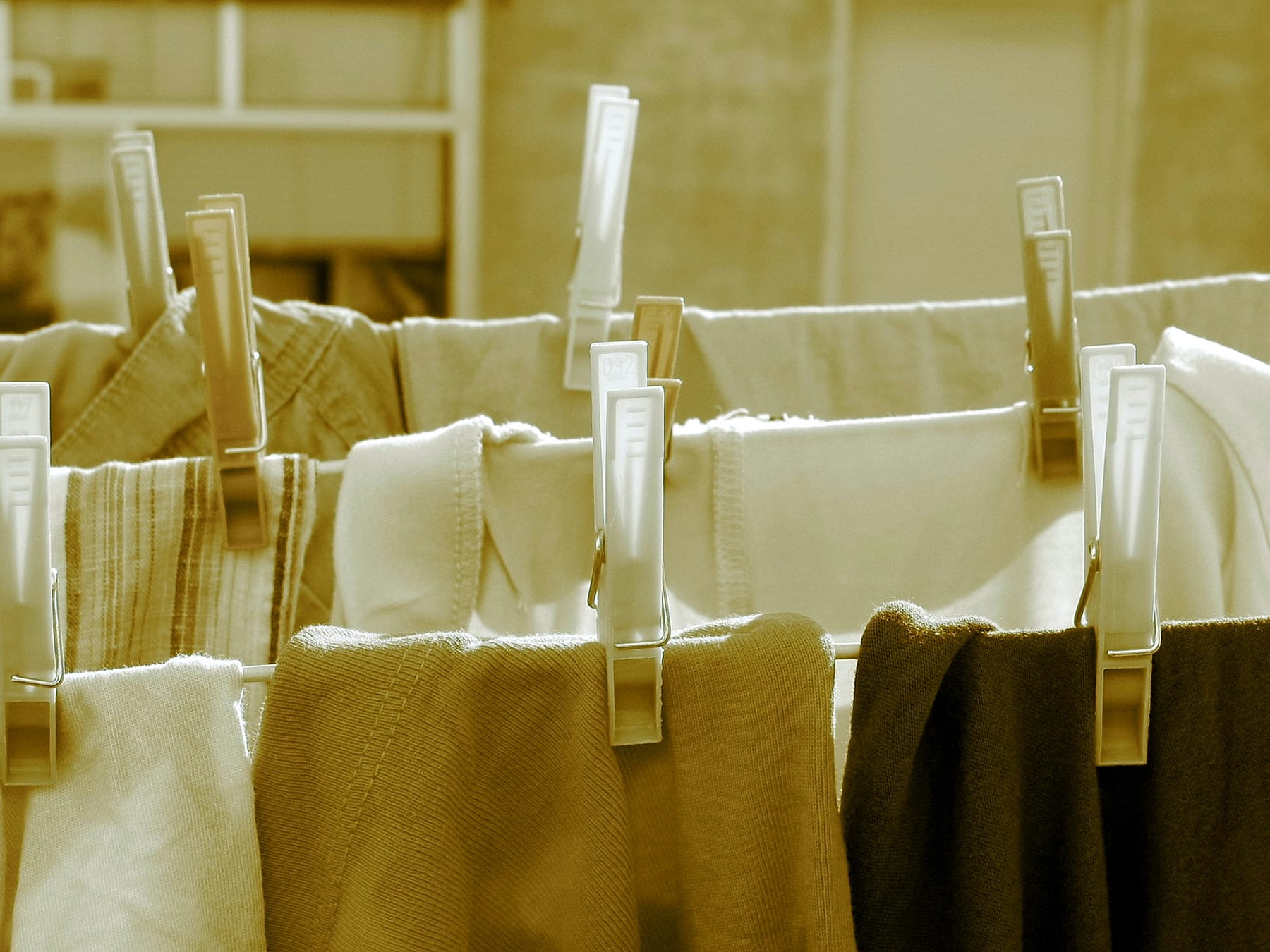
- Dry on a line or a rack where you can. A tumble dryer uses far more energy than air.
- Fill the drum. Half loads use water and energy for half the clothes.
Keeping clothes in use
- Repair early. A loose button or a split seam is minutes of work.
- Pass it on. Clothes that are resold, swapped or given away can keep being worn.
- Think about how long it will last. The fabric and the stitching affect how many wears a garment has in it.
When buying is the decision
Buying new is sometimes the right decision, and the choice still matters. Two shirts that look the same can carry different footprints, depending on what they are made of and how and where they were made. Why production conditions matter to product carbon looks at why.
Karbonomics is developing intelligence and experiences to help people bring decarbonization into everyday decisions — including how they buy and use products.